 16 June 2026
 Share
Share
1
Creating a home office space that feels cozy yet functional can make a big difference in your work-from-home experience. Whether you spend a few hours a week or full days working remotely, having a dedicated area that supports focus and comfort helps boost productivity and well-being. Here are some helpful tips to design a home office that truly works for you.
Finding the ideal spot for your home office is the first step. Consider these factors:
– Natural light: A space with plenty of natural light can improve mood and reduce eye strain.
– Quiet environment: Pick a spot away from high-traffic areas to minimize distractions.
– Adequate space: Make sure there’s enough room for your desk, chair, and storage without feeling cramped.
If you don’t have a separate room, try setting up a workspace in a quieter corner, such as a nook by a window or a sectioned-off area in the living room.
Comfort is key for long hours at your desk. Ergonomic furniture supports good posture and reduces fatigue.
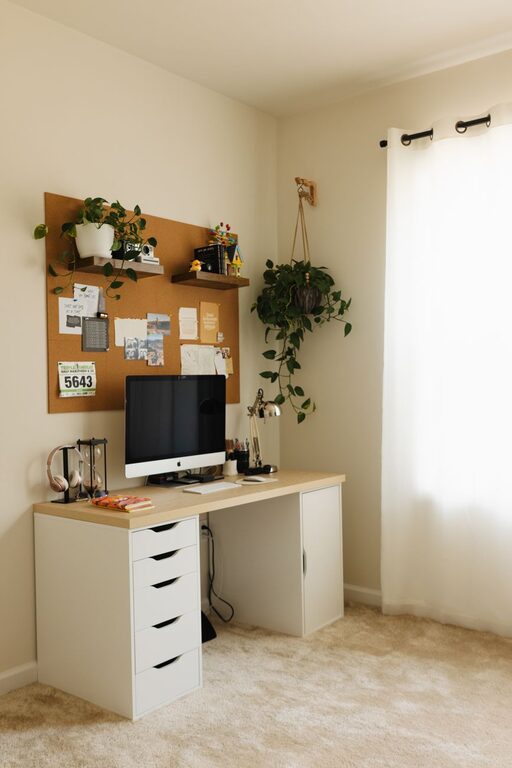
– Desk: Choose a desk that fits your space and offers enough surface area for your computer and other items.
– Chair: Invest in an adjustable chair with lumbar support to protect your back.
– Keyboard and mouse: Ergonomic accessories can help prevent strain in your wrists and hands.
Adjust your desk and chair height so your feet rest flat on the floor, and your elbows are at a 90-degree angle when typing.
Lighting plays a crucial role in creating a pleasant work environment.
– Natural light: Position your desk near a window if possible. Use blinds or curtains to manage glare.
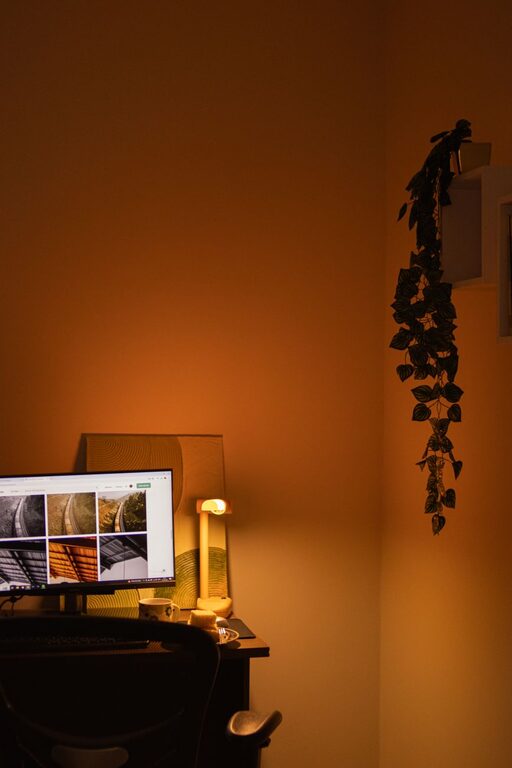
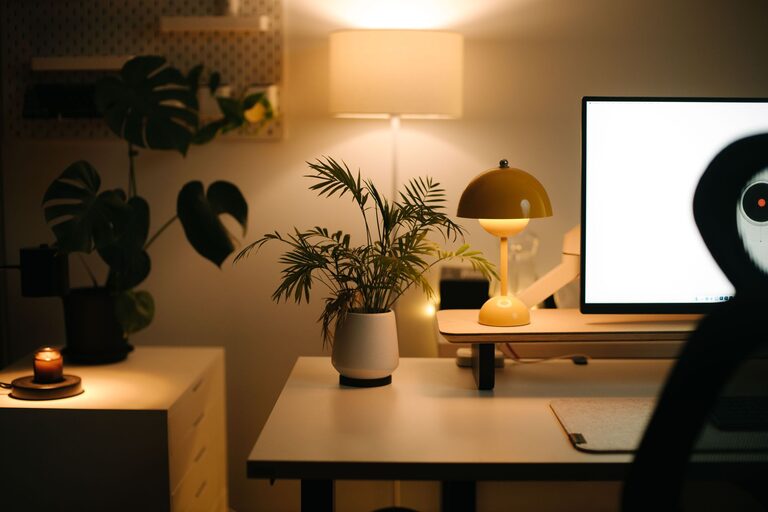
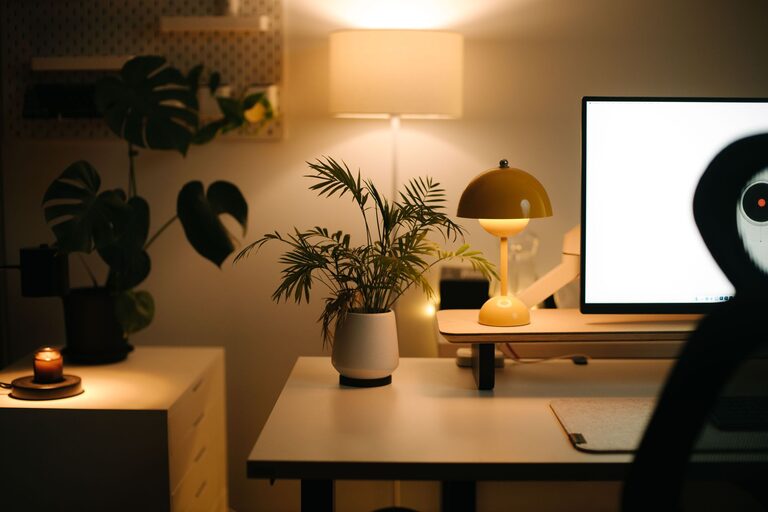
– Task lighting: A desk lamp with adjustable brightness helps when working in the evening or on cloudy days.
– Ambient lighting: Soft overhead lighting prevents harsh contrasts and reduces eye strain.
Using warm white bulbs can add a cozy feel, while cooler white lighting is better for alertness.
Adding personal touches can make your office space feel inviting and motivate you daily.
– Artwork or photos: Hang pictures or prints that inspire you.
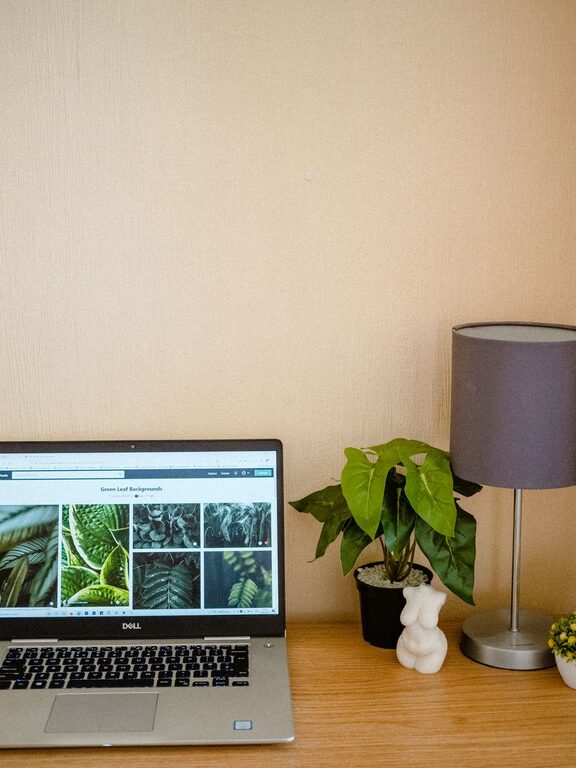
– Plants: Greenery improves air quality and adds life to the room.
– Decor: Incorporate items that reflect your style, such as colorful cushions, rugs, or interesting desk accessories.
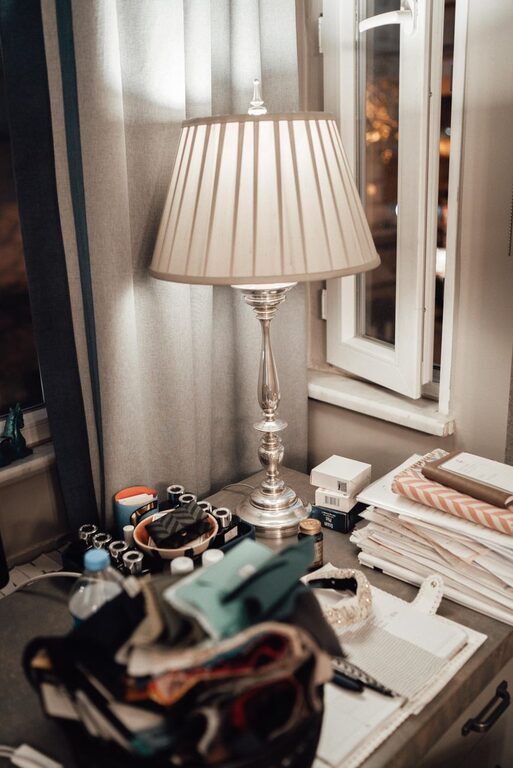
Just be mindful not to clutter the area, which can be distracting.
A tidy office helps keep your mind clear and tasks manageable.
– Storage solutions: Use shelves, filing cabinets, or baskets to store documents and supplies.
– Desk organization: Keep frequently used items within reach and clear away unnecessary clutter.
– Cable management: Use clips or trays to keep cords tidy and prevent tangling.
Set a routine to tidy your workspace regularly to maintain a neat environment.
Reliable technology is essential for a smooth workflow.
– High-speed internet: Ensure your workspace has a strong connection for video calls and file sharing.
– Required devices: Use a computer, printer, or other tools that meet your work needs.
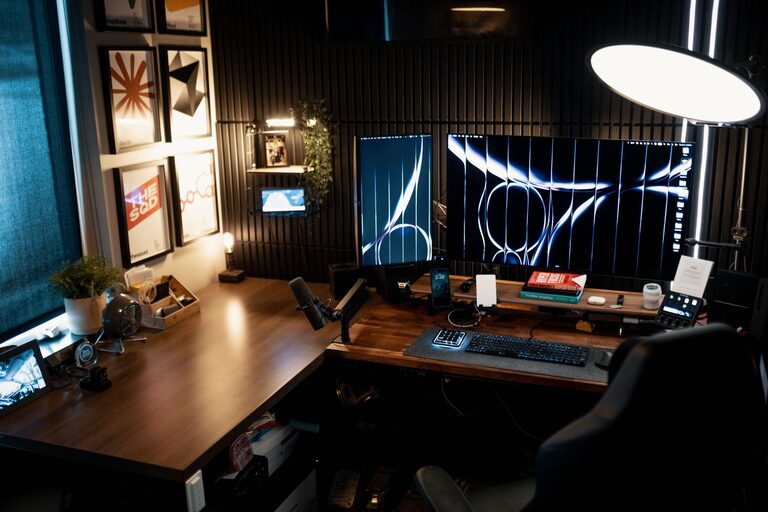
– Accessories: Headphones can help minimize distractions during calls; extra monitors can improve multitasking.
Keep cables organized and plan for charging stations to keep devices powered.
If your space allows, create small zones for short breaks.
– Reading nook: A comfortable chair or small sofa lets you stretch or read away from your desk.
– Stretching spot: Leave enough space to stand and do simple stretches to stay energized.
Taking regular breaks improves productivity and reduces stress.
Maintaining a comfortable climate is important to stay focused.
– Temperature: Use fans, heaters, or air conditioning to keep the room at an ideal temperature.
– Ventilation: Open windows or use an air purifier for fresh air.
– Humidity: A humidifier or dehumidifier can help maintain comfortable moisture levels in the room.
Comfortable environments reduce distractions related to discomfort.
Designing a home office space that is both cozy and functional takes some planning but pays off with improved focus, comfort, and productivity. By considering location, furniture, lighting, personalization, and organization, you create a room that supports your work needs and well-being. Remember to adjust your workspace as your needs evolve, ensuring it remains a pleasant place to get things done.